
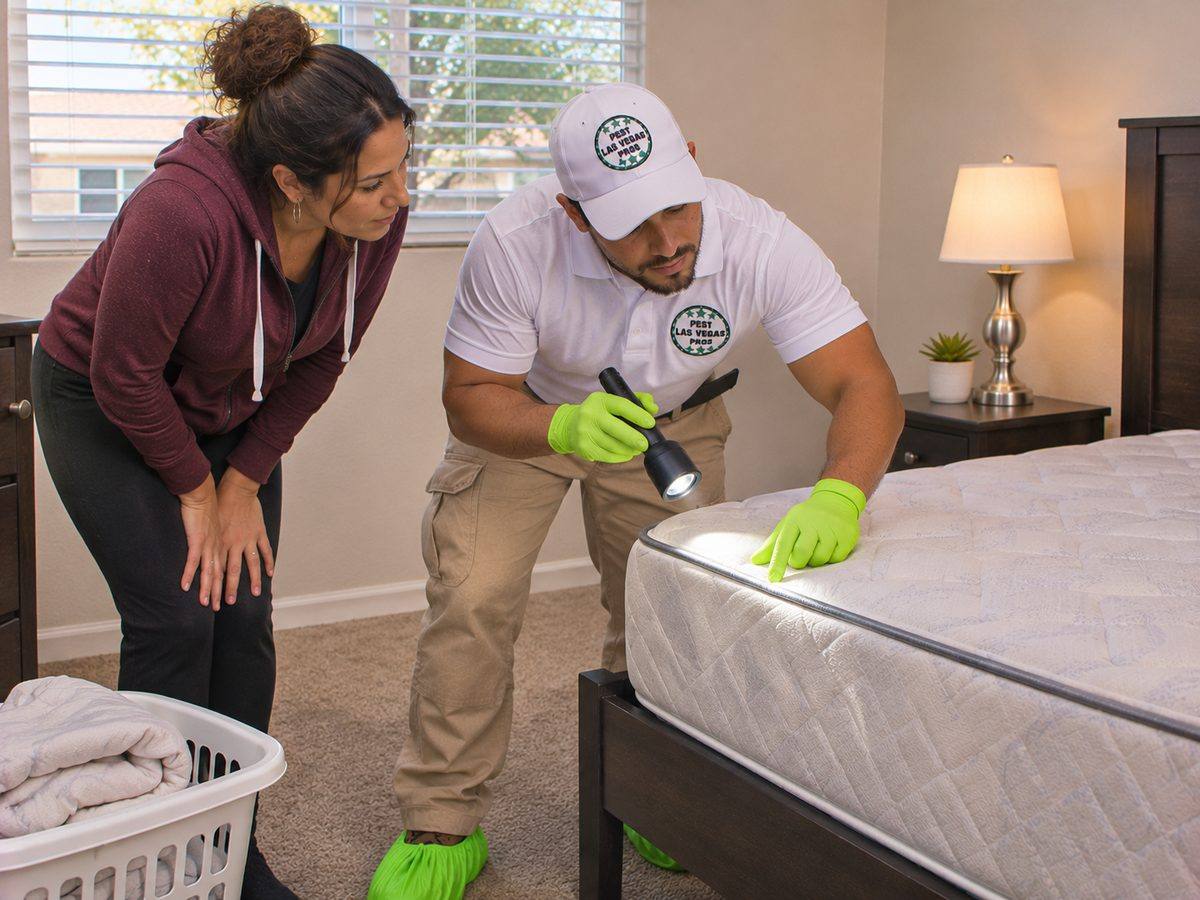
Why do bed bugs show up in apartments and condos?
Bed bugs do not come from dirt, and they do not come in from the desert. They feed on people, and they travel with people. Any place where many people sleep under one roof gives them more chances to arrive and more places to go once they are inside. University extension guides list furnished apartments, dormitories, shelters and hotels among the places most at risk.
An apartment building, a condo complex or a row of attached townhomes puts dozens of bedrooms side by side. They share walls, floors and ceilings, and often hallways, stairwells, laundry rooms and trash areas. That adds up to a few things that make multi-unit living easier for bed bugs:
- More people coming and going: move-ins, move-outs, guests and travelers all carry bags, furniture and bedding through the same doors.
- Furniture that changes hands: used couches, mattresses and bed frames bought online, picked up from a dumpster area, or left behind by the last tenant.
- Shared walls and floors: the hollow spaces inside walls and the openings around pipes and wiring connect one unit to the next.
- Problems that go unreported: extension researchers note that tenants often do not notice or do not report bed bugs, so a group can grow next door for weeks before anyone knows.
Las Vegas adds its own push. This is a travel city. Many residents work in hotels and casinos, fly out often, or host visitors, and a lot of the valley lives in apartments, condos, casitas and attached homes. None of that means your building has bed bugs. It means the chances of meeting them are real, and a clean unit can get them too.
Before anything else, make sure it is bed bugs. Our guide to the signs of bed bugs shows what counts as proof and where to look. Bites alone are not proof. For any bite or skin concern, see a medical professional.
How do bed bugs move from one unit to the next?
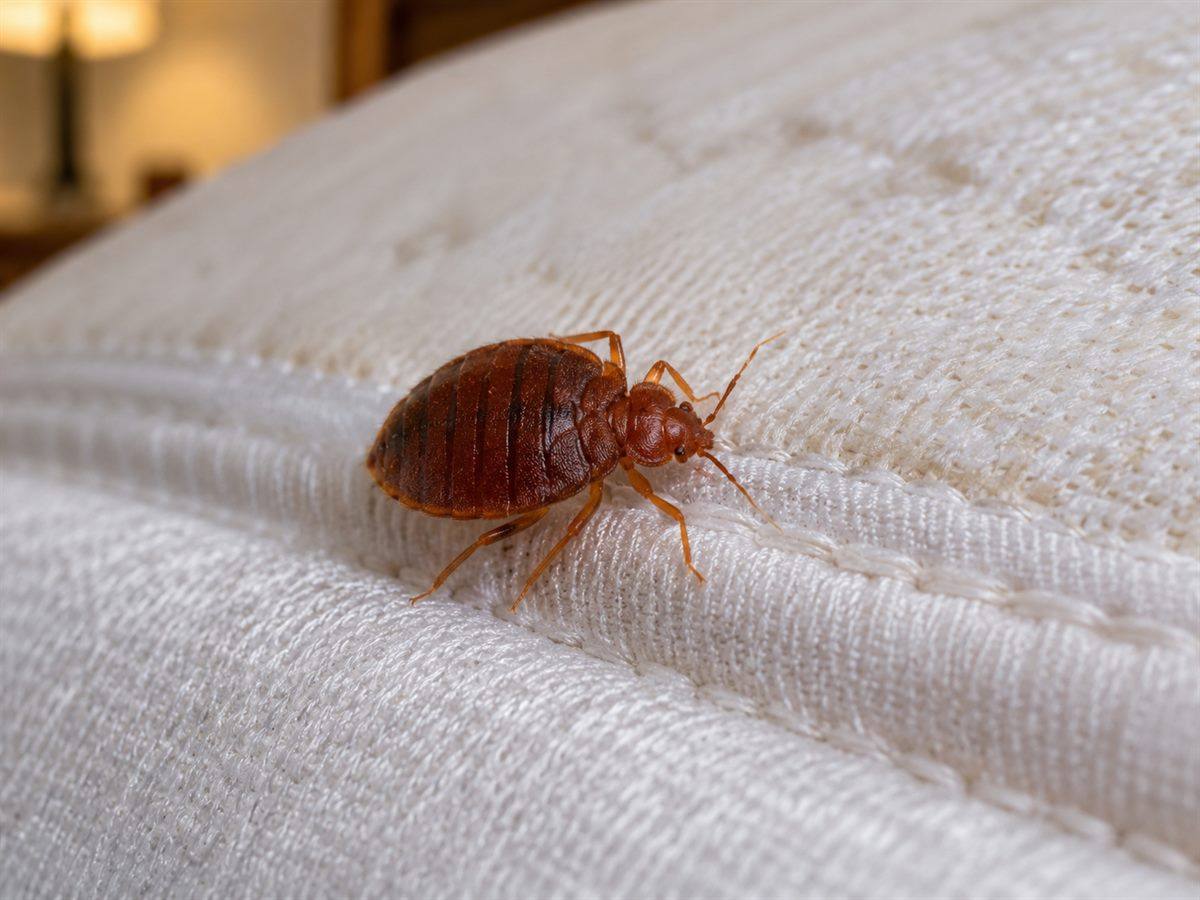
Bed bugs cannot fly or jump. They walk, and they are flat enough to slip through a crack about as thin as a credit card. Most of the time they stay within a few feet of where people sleep. But when a group grows large, when people next door are away and there is no one to feed on, or when someone sprays or disturbs them, they spread out looking for a new host. In a building with shared walls, the next host may be on the other side of the drywall.
According to university extension sources, bed bugs move between rooms and floors through cracks and openings in walls, floors and ceilings. In practice that means places like:
- Inside shared walls: the hollow space behind the drywall links baseboards, outlets and switch plates on both sides.
- Gaps where pipes and wiring pass through: openings under sinks, behind toilets and around electrical boxes can lead to the unit beside, above or below you.
- Under doors and along hallways: less common, but a heavy infestation in one unit can spill into the corridor.
They also ride. The same sources point out that people and their belongings carry bed bugs through a building. A laundry basket carried down the hall, a couch dragged out to the dumpster, a mattress hauled through the stairwell, a box left in a shared storage room: each one is a chance for a few bugs, or a female carrying eggs, to drop off somewhere new.
Bed bugs are also patient. University sources report they can go weeks to many months without a meal, depending on temperature. A unit that sits empty between tenants is not automatically clear, and a group can wait in a wall or a piece of furniture for the next person to move in.
Can my unit be treated if the neighbors have bed bugs too?
Yes. We treat your unit, and the program is built to reach the bugs and the eggs where you live. But here is the honest picture for anyone in a shared building: our treatment works where we treat. It cannot reach into the unit next door. If a neighbor has an untreated problem, bed bugs from there can still find their way in.
That is why extension guides recommend that when one unit has bed bugs, the units around it get inspected too: the ones on each side, above, below and across the hall. They also stress that the best results come when tenants, property managers and the pest company work together and share what they find. One tenant cannot arrange that alone, which is why telling your manager matters even if you call us yourself.
It is also why store-bought sprays and foggers are a bad idea in an apartment. Spraying tends to scatter bed bugs into new hiding spots, and in a shared building a new hiding spot can be the wall void or the unit next door, which can send them back later. If you have already sprayed or fogged, tell your technician what you used and where.
Each visit in our program carries a 30-day warranty. If you see bed bugs between visits, give the treatment 7 days, then call or text us. The warranty covers this program's own pest in the unit we treat. Our article on the bed bug program explains the warranty and the visit schedule in full.
Renter, owner or property manager: who should I tell?
Every lease, building and HOA is different, so we cannot tell you who is responsible for bed bug treatment in yours. That depends on your lease, your building or HOA rules and local rules, and we do not give legal advice. Read your lease, and if it is not clear, ask your manager or landlord in writing. What we can tell you is who should know, and why.
- If you rent: tell your property manager or landlord what you found, where and when, with a photo if you have one. Extension guides advise renters to contact the landlord or property owner so they can help manage the problem, and the manager is the one who can arrange checks of the units around yours.
- If you own a condo or townhome: your unit is yours to treat. If you think the bed bugs came from a neighbor or a shared area, let your HOA or management company know so they can look at the building side.
- If you own or manage the rental: you can send us a unit the way you already work, by our website form, your own work order or a text. We ask whether a tenant is involved, who schedules (usually the tenant or on-site staff), who is billed, and any gate or door codes. Our property managers and HOAs page lists what we need. If you manage several units, call the office and tell us what you have.
Whoever makes the call, the person who lives in the unit is the one who does the prep and keeps the visits. It goes best when the resident, the manager and our office all know the plan.
What should I watch for when I move or bring home furniture?
Moving day is one of the most common ways bed bugs reach a new apartment, in either direction. A few minutes of looking can save months of trouble.
- Before you move in: walk the empty unit with a flashlight. Look along baseboards and carpet edges in the bedrooms, around outlet covers, and in closet corners for small dark spots, pale shed skins or live bugs. If the unit comes furnished, check the mattress seams, the box spring and the headboard before you sleep there, and tell the manager right away if you find anything.
- Used furniture: university sources warn that discarded beds and couches may be infested and should be left alone. In an apartment complex, the furniture next to the dumpster is often there for a reason. Anything secondhand, especially mattresses, box springs, upholstered chairs and couches, should be looked over seam by seam before it comes through your door.
- Getting rid of an infested item: do not leave it in the hallway, on the walkway or by the dumpster where a neighbor might take it home. Wrap it in plastic, mark it clearly as having bed bugs, and follow your building's rules for bulk trash. Better still, talk with us first: throwing out a mattress rarely solves the problem, and carrying it through the building can spread bed bugs on the way out.
- Moving out with bed bugs: they will move with you. Tell us before you pack, so your belongings are not carrying the problem to the next home.
Trips matter too. If you travel often for work, our guide to bed bugs after travel covers the hotel check and the unpacking habits that keep a hitchhiker out of your bedroom.
How do I get a small apartment ready for treatment?
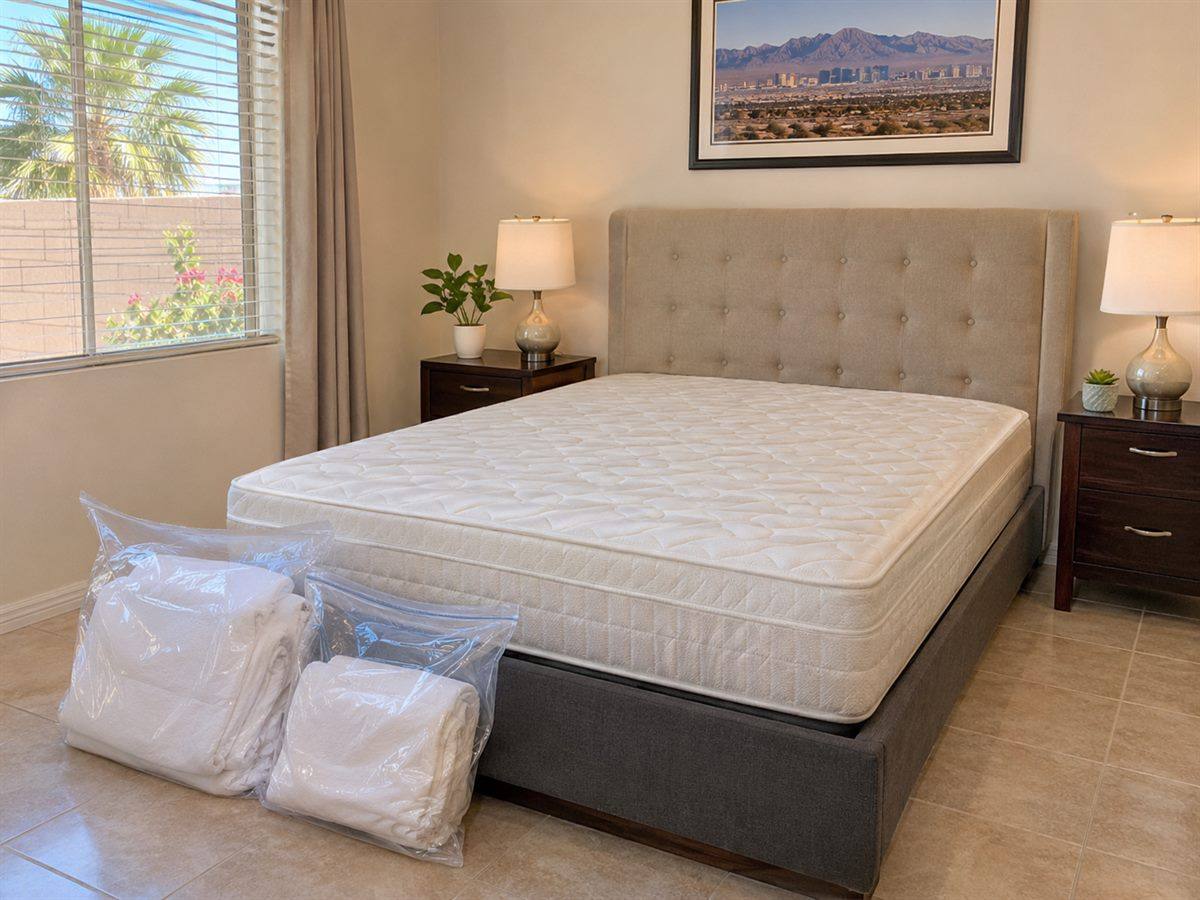
Prep is the part only you can do, and in a small unit it can feel like a lot: every closet, drawer and corner is close to the bed. Bed bugs hidden in piles of clothes, boxes and clutter can be missed, so the work pays off. Before the first visit, the office sends you the preparation list, and the full step-by-step version is on our printable bed bug prep sheet. A few points matter more in a shared building:
- Bag before you carry: put clothing and bedding into sealed bags inside the bedroom, before they go through the hallway, the elevator or the laundry room. Carry them straight to the washer and dryer and use the hottest setting the fabric allows.
- In a shared laundry room: do not sort or fold infested items on the shared table. Move them from the bag straight into the machine, and put clean, dry items into a fresh bag before you carry them home.
- Do not move things to a neighbor, a friend or your car: moving beds, furniture or belongings to other rooms or other homes during treatment spreads bed bugs.
- Clear the walls and outlets: move furniture away from the walls so every baseboard and outlet can be reached. In an apartment, the shared walls are the ones that matter most.
- Keep a short log: note where and when you see activity, and take a photo if you can. It helps your technician, and it helps your manager decide which neighboring units to check.
If any step is hard in your space, or if your building has rules about laundry or bulk trash, call or text the office before the visit, not after.
How Pest Pros does it
Bed bugs require a program, not a quick spray. We inspect the sleeping and resting areas, treat hiding spots, and follow up to break the cycle. In an apartment or condo, that is the same program we run in a house, in your unit.
We confirm the evidence before we treat: live bugs, fecal spots, shed skins or eggs. Bites alone are not proof. The program is 90 days, 3 services. The first visit is $100 per room plus $100 per bed, then $50 per month. Tell the office how many rooms and beds have activity, and mention any couch where someone sleeps or naps and they will give you the price for your unit. Homes over 3,000 square feet get a custom quote. Every price is also on our pricing page.
The office sends the preparation list before the first visit. Licensed technicians apply every product exactly as its label directs, and your technician tells you when people and pets can go back into treated areas. Each visit carries a 30-day warranty. If pests return between visits, we return too - at no charge. Give each treatment 7 days before judging the results.
The program is a stated number of visits, not a contract, and there is no cancellation fee. When the third service is done, the program is finished and you choose what comes next. The full program is on our bed bug treatment page, and our bed bug library page covers identification.
Common questions
Did my neighbor give me bed bugs?
Is it worth treating my unit if the neighbors might have them?
Who pays, me or my landlord?
Should I throw out my couch or mattress?
Do I have to sign up for monthly service?
Sources: UC IPM Pest Notes: Bed Bugs · University of Kentucky Entomology: Bed Bugs (ENTFACT-636). Facts are summarized in our own words. Prices, service and warranty come only from Pest Pros. Nothing here is legal or medical advice.